
|
Getting your Trinity Audio player ready...
|
By Samuel Asamoah
Environmental advocates have called on African governments to reject waste-to-energy incineration and instead invest in sustainable waste management solutions, warning that the continent’s push for cleaner air could be undermined by technologies that generate harmful emissions.
The call comes as policymakers, scientists, civil society organisations, development partners and community leaders gather in Pretoria from July 13 to 16 for the 2026 Africa Clean Air Forum, themed “Investment Case for Clean Air and Healthy Cities.” The forum is expected to shape Africa’s clean air agenda by exploring strategies to tackle the continent’s growing air pollution crisis.
In a statement ahead of the meeting, GAIA Africa’s Clean Air Program Manager, Weyinmi Okotie, said while investments in air quality monitoring across Africa are encouraging, governments must ensure future funding supports solutions that reduce pollution at its source rather than technologies that merely shift pollution from land to the atmosphere.
Okotie noted that although transport, industry and power generation often dominate discussions on air pollution, poor waste management remains a major but frequently overlooked contributor to deteriorating air quality across African cities.
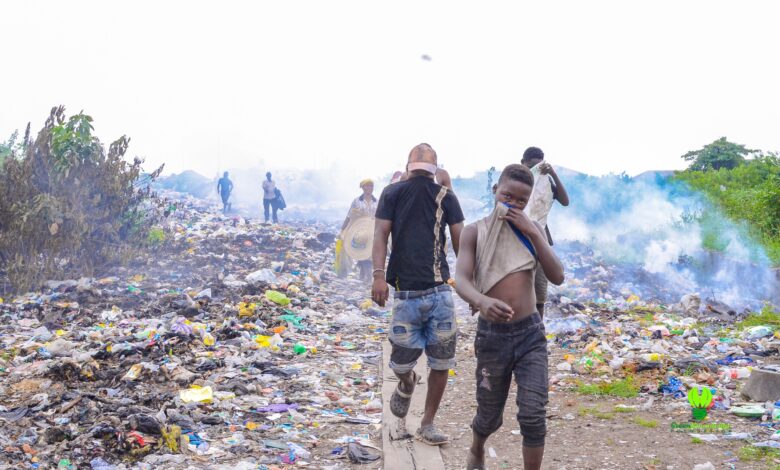
She said open burning of waste, driven by inadequate collection systems and poorly managed dumpsites, releases harmful pollutants and greenhouse gases into the atmosphere, exposing surrounding communities to serious health risks.
According to the statement, open waste burning contributes about 29 percent of fine particulate matter (PM2.5) pollution and, together with other air pollutants, is linked to nearly 1.2 million premature deaths annually across Africa.
The environmental campaigner argued that Africa’s waste challenge should be addressed through waste separation at source, reduction, reuse, recycling and composting rather than waste-to-energy incineration.
She cited studies indicating that between 70 and 80 percent of municipal solid waste generated in African cities is recyclable, with recyclable materials potentially worth about US$8 billion annually if retained within a circular economy.
Okotie cautioned that investing in incineration plants could lock African cities into long-term dependence on burning waste, divert public resources from sustainable waste management systems and weaken recycling initiatives.
She maintained that clean air financing should instead support pollution prevention measures, including composting, material recovery facilities, organic waste recovery and the integration of informal waste workers into modern waste management systems.
According to her, such interventions not only reduce emissions but also create jobs, improve public health, cut methane emissions, strengthen local economies and accelerate Africa’s transition to a circular economy.
Okotie further urged African leaders to ensure that decisions taken during the forum are guided by scientific evidence, public health considerations and environmental justice, rather than costly technologies presented as quick solutions.
She said the success of the 2026 Africa Clean Air Forum would ultimately be measured not by the discussions held, but by the policies adopted, investments made and the long-term improvement in the quality of air breathed by millions of Africans.