
Accra Unveils Ambitious Low-Methane Plan to Cut Emissions, Drive Zero Waste Agenda

|
Getting your Trinity Audio player ready...
|
By Samuel Asamoah
The Accra Metropolitan Assembly (AMA) has launched an ambitious Low-Methane Portfolio aimed at significantly reducing methane emissions from the city’s waste sector while promoting climate resilience, public health, job creation and a transition to a zero-waste economy.
The initiative, unveiled on Monday, commits the city to cutting methane emissions from waste disposal by at least 30 per cent by 2030, aligning with Ghana’s commitments under the Global Methane Pledge and the country’s Nationally Determined Contributions (NDCs) to combat climate change.
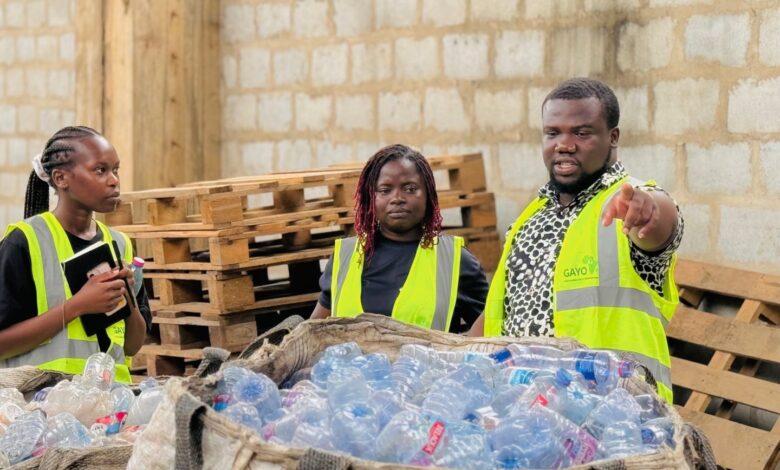
The portfolio was developed with technical support from the Green Africa Youth Organization (GAYO), the Global Alliance for Incinerator Alternatives (GAIA) and C40 Cities, providing a roadmap to reform waste management through source separation of organic waste, improved diversion systems and greater participation of waste pickers and local communities.
Speaking at the launch, Desmond Alugnoa, GAIA Africa’s Zero Waste and Climate Programme Manager, said the initiative demonstrates that effective collaboration between local governments, communities and development partners can translate climate commitments into practical action.
He described Accra’s approach as evidence that African cities are prepared to implement locally driven zero-waste solutions capable of delivering meaningful methane reductions.
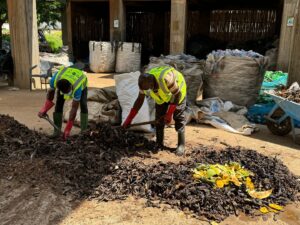
The strategy is anchored on three key objectives: achieving at least 50 per cent source-separated organic waste collection by 2030, developing a decentralised organic waste management system capable of diverting at least 30 per cent of organic waste by 2040, and intensifying public education alongside data-driven monitoring of methane emissions and food waste.
According to the AMA, the programme is expected to reduce methane emissions by 13,500 tonnes annually by 2040 while creating employment opportunities, improving air quality, enhancing compost production for agriculture and increasing energy resilience through biogas generation.
Deputy Head of Waste Management at the Accra Metropolitan Assembly, Victor N. Kotey, said the city envisions climate action as a commitment to future generations and believes strong collaboration among communities, institutions and young people will position Accra as a model for climate leadership across Africa.
GAYO’s Zero Waste Director, Jacob Johnson Attakpah, called for sustained investment and partnerships to expand decentralised, community-based zero-waste systems, stressing that waste pickers must be recognised as central actors in the city’s climate response and resource recovery efforts.
The launch comes after Accra was recently recognised among the 20 United Nations cities advancing towards zero waste. City authorities say the portfolio will serve as a platform for attracting support from development partners, investors, philanthropic organisations, civil society groups and the private sector to scale up sustainable waste management initiatives.
Officials say the Low-Methane Portfolio marks a significant milestone in Accra’s climate agenda and reinforces the city’s ambition to become one of Africa’s leading centres for urban climate action and sustainable waste management.