
President Mahama Calls for Tough Enforcement Against Wetland Encroachment After Accra Floods

|
Getting your Trinity Audio player ready...
|
By Samuel Asamoah
President John Dramani Mahama has attributed the devastating floods that submerged large parts of Accra to an unprecedented combination of intense rainfall, climate change, inadequate drainage infrastructure and widespread human activities, promising that his administration will implement long-term measures to tackle the perennial problem.
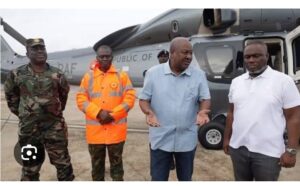
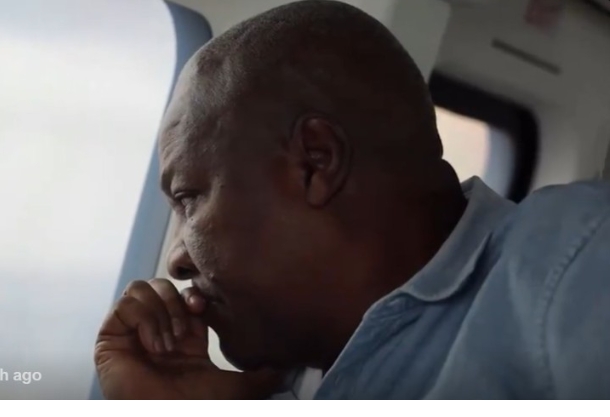
The President made the remarks after undertaking an aerial inspection of flood-affected communities across the Greater Accra Region on Monday, following one of the most severe flooding incidents to hit the national capital in recent years.
According to President Mahama, preliminary data showed that approximately 140 millimetres of rainfall fell over Accra within a single day—far exceeding the roughly 56 millimetres typically recorded during heavy downpours in previous years. He explained that the extraordinary volume of rainfall overwhelmed existing drainage systems, resulting in widespread flooding across several communities.
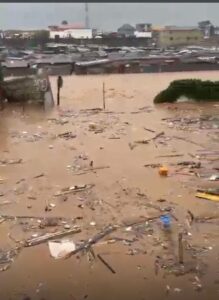
Despite the record rainfall, the President stressed that natural factors alone could not explain the scale of destruction, pointing to blocked drains, indiscriminate dumping of refuse, encroachment on waterways and wetlands, and rapid urbanisation as major contributors to the disaster.
“The flooding in Accra is not merely the result of heavy rainfall. Climate trends, weak drainage infrastructure and human behaviour have all combined to create this unfortunate situation,” the President said during his assessment.
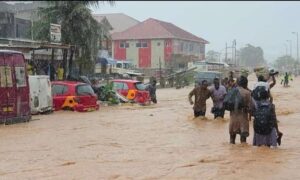
President Mahama indicated that government agencies had already been directed to intensify emergency response efforts while plans are being developed to implement more sustainable flood mitigation measures.
He reaffirmed government’s commitment to improving drainage infrastructure, strengthening enforcement against illegal developments on waterways and wetlands, and enhancing urban planning to reduce the city’s vulnerability to future floods.
The President also called on residents to play their part by avoiding indiscriminate disposal of waste into drains and complying with planning regulations, noting that government intervention alone would not permanently solve the flooding challenge without greater public cooperation.
The latest flooding has displaced residents, damaged homes, disrupted transportation and affected commercial activities across several parts of the capital, prompting renewed calls for comprehensive reforms in urban planning, drainage expansion and environmental management.
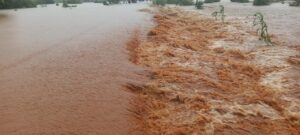
The disaster has once again reignited national debate over Ghana’s persistent flooding problem, with experts consistently citing poor drainage maintenance, uncontrolled development on flood plains, destruction of wetlands and inadequate enforcement of planning laws as key drivers of the annual crisis.
Government is expected to announce additional interventions in the coming days as assessments of the damage continue.