
|
Getting your Trinity Audio player ready...
|
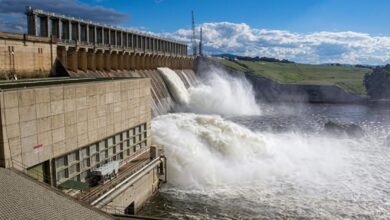
The Water Resources Commission (WRC) has issued a public advisory announcing that Burkina Faso’s state-owned electricity utility, SONABEL, is expected to begin a controlled spillage of water from the Bagre Dam on Tuesday, August 11, 2026, if reservoir levels continue to rise.
In a press release dated August 4, 2026, the Commission said the Bagre Dam’s reservoir had reached 232.93 metres, representing 62.77 per cent of its storage capacity.
According to the WRC, SONABEL will commence the controlled release of water once the reservoir level reaches 234.00 metres, a measure intended to safeguard the structural integrity of the dam amid increasing inflows from seasonal rains.
The Commission urged residents living along the White Volta River and adjoining communities to remain vigilant and comply with safety directives issued by Metropolitan, Municipal and District Assemblies (MMDAs) and other relevant emergency response agencies.
“Communities along the White Volta River and adjoining areas are advised to take the necessary precautions and adhere to safety guidelines from the Local Assemblies and the appropriate agencies,” the statement said.
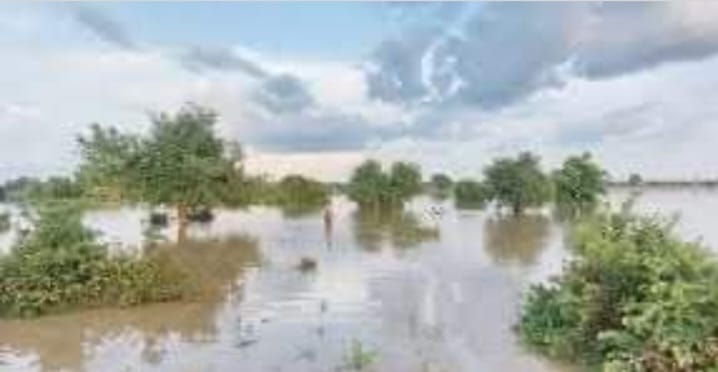
The annual spillage of the Bagre Dam has historically resulted in flooding across several parts of northern Ghana, inundating farmlands, destroying homes and public infrastructure, displacing residents and disrupting economic activities.
The advance notification is expected to allow disaster management authorities, local assemblies and affected communities sufficient time to activate emergency preparedness measures and reduce the potential impact of flooding.
The Water Resources Commission said it is working closely with SONABEL and other stakeholders to monitor reservoir levels and will continue to provide updates as the situation develops.
Authorities have advised residents in flood-prone areas to stay informed through official channels and avoid activities that could expose them to flood risks once the controlled spillage begins.