
Trained Lifeguards Hailed After Rescuing Over 200 People During Greater Accra Floods

|
Getting your Trinity Audio player ready...
|
By: Samuel Asamoah
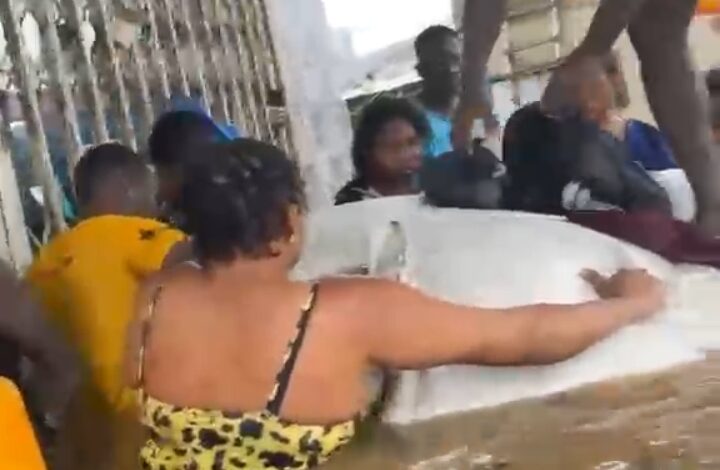
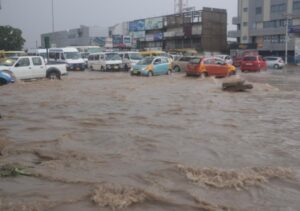
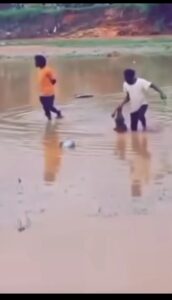
The National Coordination Board (NCB) for Drowning Prevention has commended trained lifeguards under Ghana’s National Lifeguard Initiative Programme for their bravery and professionalism after they rescued more than 200 people stranded during the devastating floods that swept through parts of the Greater Accra Region on June 29, 2026.
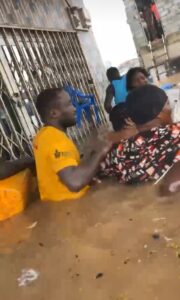
In a statement signed by Prof. Emmanuel Nakua, Co-Chair of the National Coordination Board on Drowning Prevention and Professor at the School of Public Health, Kwame Nkrumah University of Science and Technology (KNUST), the Board praised the 45 certified lifeguards for their swift response, describing their actions as a clear demonstration of the importance of investing in community-based lifesaving capacity.

According to the Board, the trained lifeguards worked alongside the Ghana National Fire Service, the National Disaster Management Organisation (NADMO), the Ghana Police Service, the National Ambulance Service and other emergency responders to evacuate stranded residents, assist vulnerable persons to safety and support rescue operations in flood-hit communities.
The Board said the successful rescue operations highlight the growing impact of the National Lifeguard Initiative Programme, a multi-sector intervention established to reduce drowning-related deaths through research, policy development, lifeguard training, public education, water safety awareness and strengthened emergency response systems. The initiative is coordinated by the NCB with technical support from the Johns Hopkins International Injury Research Unit, KNUST School of Public Health and several national emergency and maritime institutions, with funding from Bloomberg Philanthropies.
The statement noted that Ghana continues to record a significant number of preventable drowning deaths each year, stressing that the recent floods have reinforced the need to integrate drowning prevention into national disaster risk reduction, climate adaptation and emergency response strategies.
The NCB further expressed appreciation to emergency response agencies, volunteers, traditional authorities, community leaders and citizens whose coordinated efforts helped minimise casualties during the flooding. It also acknowledged Metropolitan, Municipal and District Assemblies for supporting the programme, particularly through the payment of lifeguards’ salaries, describing the support as critical to sustaining lifesaving services on Ghana’s beaches.
The Board called on government, local authorities, development partners, the private sector and civil society organisations to increase investment in drowning prevention by training more lifeguards, providing modern rescue equipment, strengthening public education campaigns and developing sustainable water safety systems nationwide. It also urged the public to heed safety advisories during heavy rainfall by avoiding floodwaters, keeping children away from flooded drains and rivers, and promptly reporting emergencies to the relevant authorities.
Prof. Nakua said the courage displayed by the trained lifeguards demonstrates why drowning prevention must remain a national public health priority.
“Every life rescued represents the true value of investing in people, preparedness and partnerships. As climate change continues to increase the frequency and intensity of flooding, Ghana must continue to strengthen its water safety systems and expand drowning prevention interventions across the country,” he stated.
The National Coordination Board reaffirmed its commitment to working with government, emergency institutions, academia, development partners and local communities to improve water safety and ensure effective emergency response systems across Ghana.