
WinWASH Calls for Action on Gender Equality in WASH as Gender Ministry Pledges Collaboration

|
Getting your Trinity Audio player ready...
|
By: Samuel Asamoah
The Women in WASH Advocacy Network (WinWASH) has presented a position paper to the Ministry of Gender, Children and Social Protection, urging government to move beyond policy commitments and accelerate the implementation of gender-responsive Water, Sanitation and Hygiene (WASH) interventions across the country.
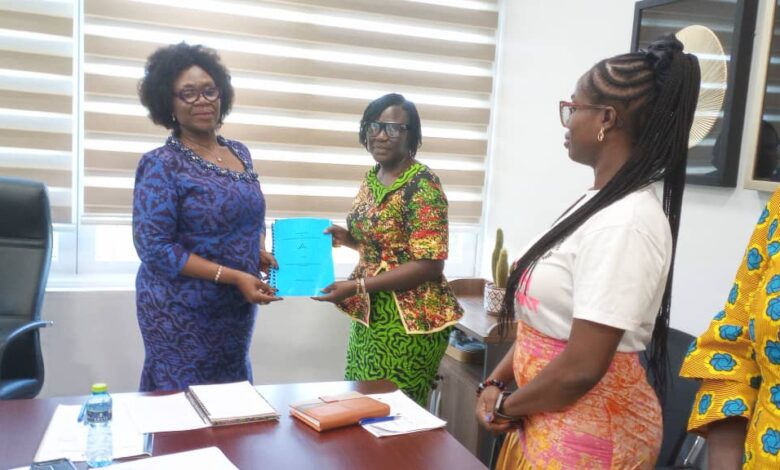
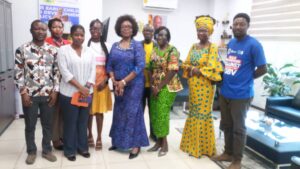
The presentation of the position paper, titled “Closing the Implementation Gap: A Call to Action for Gender-Responsive WASH in Ghana,” was formally presented on Thursday, July 30, 2026, led by the Founder of the Women in WASH Advocacy Network, Nora Olenu, to the ministry. It was received on behalf of the Minister by the Chief Director of the Ministry, Dr. Marian Kpakpah.
Following discussions on the document, Dr. Kpakpah assured the network of the ministry’s commitment to working closely with WinWASH to address persistent gender inequalities in the WASH sector. She pledged the ministry’s collaboration in promoting policies and practical interventions that ensure equitable access to safe water, sanitation and hygiene services for women, girls and other vulnerable groups.
The document argues that although Ghana has established a strong legal and policy framework supporting gender equality—including the 2024 National Water Policy, the National Gender Policy and commitments under the Sustainable Development Goals—the country continues to face significant gaps between policy and implementation.
According to WinWASH, these implementation gaps have left many women, girls and vulnerable populations with unequal access to safe, affordable and dignified WASH services while limiting women’s participation in WASH governance and decision-making.
The network identified several key challenges, including inadequate implementation of gender mainstreaming policies, insufficient financing for gender-responsive WASH programmes, limited investment in menstrual health management, poor inclusion of persons with disabilities in WASH infrastructure, weak gender data systems, climate-related water insecurity and inadequate accountability mechanisms.
WinWASH stressed that gender responsiveness should be integrated throughout the entire WASH programme cycle—from policy formulation and planning to budgeting, implementation, monitoring and evaluation. It further called for stronger institutional accountability, improved gender-responsive data systems, accelerated implementation of the National Water Policy and increased investment in climate-resilient water security initiatives led by women.
Among its recommendations, the network urged government to mainstream gender-responsive planning and budgeting into national and district development plans, strengthen women’s representation in WASH governance structures, introduce dedicated gender-tagged WASH budgets, improve monitoring through sex-disaggregated data and develop national standards for safe, inclusive and menstrual hygiene-friendly WASH infrastructure.
The Women in WASH Advocacy Network is a coalition of women professionals, practitioners, researchers, development partners and community leaders advocating gender-transformative governance, climate-resilient WASH systems, inclusive sanitation services and evidence-based policy reforms to ensure no one is left behind.
The engagement with the Ministry of Gender is expected to strengthen collaboration between government and civil society as stakeholders seek to bridge the implementation gap and advance gender equality in Ghana’s WASH sector.