
|
Getting your Trinity Audio player ready...
|
By Samuel Asamoah
WaterAid Ghana has called on Ghanaians to sustain handwashing practices and support government efforts to achieve universal access to hand hygiene, warning that maintaining the practice is essential to preventing avoidable diseases and improving public health.
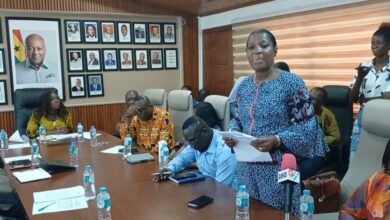
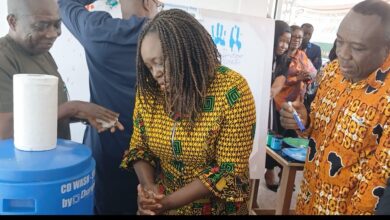
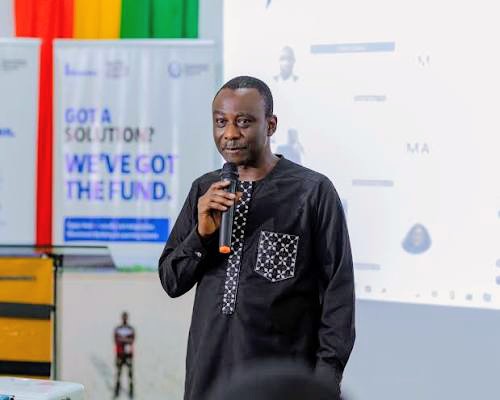
The call was made by Ibrahim Musah, Head of Strategy at WaterAid Ghana, during Ghana’s commemoration of Global Handwashing Day in Accra on Thursday, October 15, 2026.
His appeal comes amid renewed calls for stronger investment in water, sanitation and hygiene (WASH) infrastructure, particularly in schools, healthcare facilities, markets and other public spaces where access to clean water and soap remains essential.
Beyond public awareness
The annual commemoration seeks to encourage individuals, families and institutions to make handwashing a consistent daily habit rather than a practice adopted only during disease outbreaks.
WaterAid Ghana’s appeal highlights the importance of combining public education with the provision of functional handwashing facilities that enable people to practise proper hygiene.
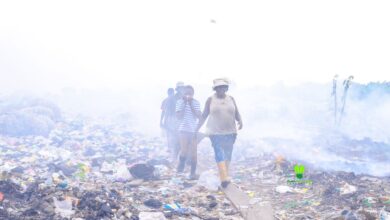
In many communities, the challenge extends beyond awareness to the availability of reliable water supplies, soap and facilities that can be maintained over time.
Schools, healthcare facilities, public toilets and markets require particular attention because inadequate hygiene facilities can undermine efforts to prevent infections and protect vulnerable populations.
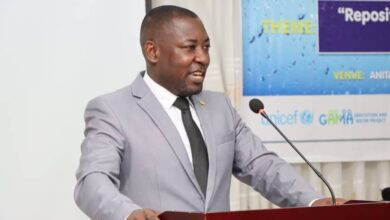
Deputy Minister for Local Government, Chieftaincy and Religious Affairs, Dr Rita Naa Odoley Sowah, in her keynote address also called on Metropolitan, Municipal and District Assemblies to make hand hygiene a visible, funded and monitored component of their development plans.

She urged assemblies to strengthen inspections of public facilities and ensure that handwashing stations remained functional and adequately supplied.
The Deputy Minister further called on traditional authorities to incorporate handwashing and environmental cleanliness into community engagements and other public activities.
WaterAid’s wider WASH investment agenda
WaterAid Ghana has consistently advocated increased public investment in water, sanitation and hygiene services, arguing that access to these basic services is essential to health, economic development and climate resilience.
Ghana required approximately US$1.7 billion annually to meet its WASH investment needs according to a budget tracking by WaterAid. The report indicated that actual execution of allocations to the sector had historically remained between 50 and 60 per cent, raising concerns about the release and utilisation of funds earmarked for implementation.
WaterAid argued that increased investment would help address persistent water and sanitation challenges while supporting progress towards Sustainable Development Goal Six, which seeks universal access to safe water and sanitation.
The organisation has also emphasised the importance of collaboration among government agencies, local authorities, development partners and civil society groups in expanding access to essential services.
A shared responsibility
The Global Handwashing commemoration brought together representatives from WaterAid Ghana, World Vision Ghana, UNICEF, the World Health Organisation, the World Bank, the Ghana Health Service, the Ghana Education Service and the Coalition of NGOs in Water and Sanitation (CONIWAS), among other stakeholders.

The stakeholders’ participation underscored the need for coordinated action to improve hygiene practices and address infrastructure gaps.
For WaterAid Ghana, the broader challenge is to ensure that public education is matched by adequate funding, reliable water supplies and accessible facilities.
As Ghana continues its efforts to improve public health and sanitation, the organisation’s call reinforces the importance of making handwashing a daily practice supported by sustained investment and institutional commitment.