
|
Getting your Trinity Audio player ready...
|
By Samuel Asamoah
Metropolitan, Municipal and District Assemblies (MMDAs) have been urged to make hand hygiene a funded and monitored priority as concerns grow over the sustainability of handwashing practices and access to basic hygiene facilities across Ghana.
The Deputy Minister for Local Government, Chieftaincy and Religious Affairs, Dr Rita Naa Odoley Sowah, has called on Ghanaians to revive the handwashing habits adopted during the COVID-19 pandemic, warning that abandoning the practice could expose communities to preventable diseases.
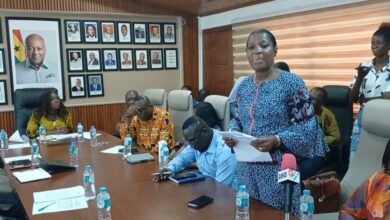
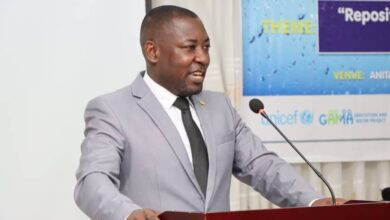
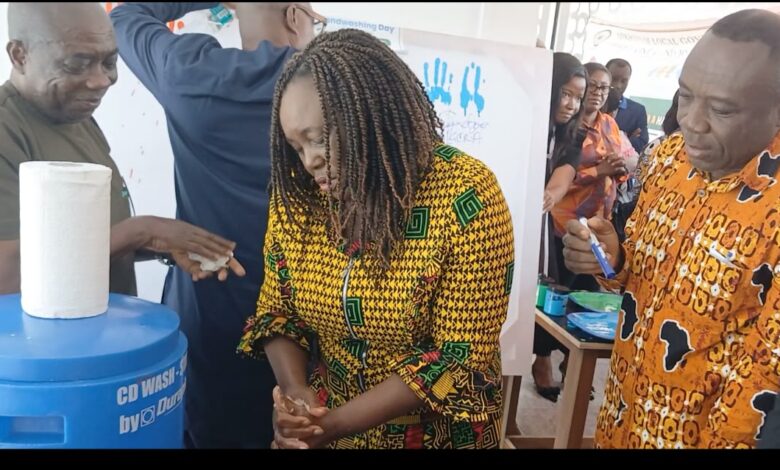
She made the appeal in Accra on Thursday, October 15, 2026, during the launch of this year’s Global Handwashing Day celebration under the local theme, “I Am a Handwashing Hero.”

Dr Sowah, who is also the Member of Parliament for La Dadekotopon, said handwashing with soap must become a regular practice in public washrooms, schools, markets, healthcare facilities and religious institutions.
She urged local assemblies to incorporate hand hygiene into their development plans, with clearly defined responsibilities, dedicated funding and routine monitoring to ensure that facilities remain functional after installation.
“It is worrying to visit public facilities and find toilets closed or discover that those in use have no soap or appropriate materials for drying hands,” she said, according to a report by the Ghana News Agency.
The Deputy Minister called on environmental health teams to strengthen inspections and follow-up, particularly at markets, lorry stations, slaughterhouses, public toilets, schools and health facilities.
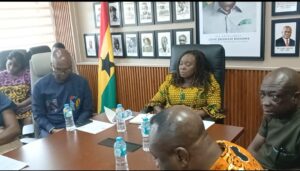
She said district assemblies should identify priority locations, assign responsibility for supplying water and soap, and provide funds for replenishment, repairs and maintenance.
Dr Sowah also proposed simple daily checks by market managers, traders’ associations and facility attendants, supported by periodic verification from environmental health officers.
Handwashing habits and public health risks
The renewed appeal comes amid concerns that the handwashing culture promoted during the COVID-19 pandemic is not being sustained consistently, despite the continued importance of basic hygiene in preventing infectious diseases.
Handwashing with soap and clean running water is widely recognised as an affordable public health intervention that helps reduce the transmission of diarrhoeal and respiratory infections.
However, public education can have limited impact where households, schools and public institutions lack reliable water supplies, soap or functional handwashing stations.
The challenge, therefore, extends beyond individual behaviour to the availability, maintenance and accessibility of essential WASH infrastructure.
Dr Sowah said efforts to keep Ghana clean must include access to functioning handwashing facilities, calling on traditional authorities to make hand hygiene and environmental cleanliness regular topics at festivals and other public engagements.
She suggested that chiefs could encourage households to install simple handwashing facilities near toilets or kitchens, while queen mothers could promote hygiene among mothers, caregivers and market women.
Community volunteers, she added, could help identify faults at shared facilities and report them to district assemblies for prompt attention.
World Vision calls for universal access
World Vision Ghana has also called for stronger government commitment to hand hygiene, urging authorities to make access to handwashing facilities a national planning and budgeting priority.
In a statement marking Global Handwashing Day, the organisation said washing hands with soap under clean running water remained one of the most effective and affordable ways to help prevent the spread of infectious diseases.
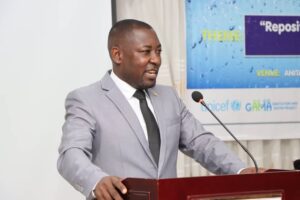
Yaw Atta Arhin, WASH Technical Specialist at World Vision Ghana, emphasised the importance of ensuring that handwashing facilities support the use of soap under running water.
The organisation said its water, sanitation and hygiene interventions across its Area Development Programmes had demonstrated the importance of clean hands in protecting children against diarrhoeal diseases, cholera, typhoid and respiratory infections.
It called on government to strengthen collaboration with the Ministry of Sanitation and Water Resources, the Ghana Health Service, the Ghana Education Service and development partners to expand access to handwashing facilities.
World Vision Ghana said every household, school, healthcare facility and public space should have access to clean water and functional facilities that enable people to practise proper hygiene consistently.
It also urged the media, traditional authorities, faith-based organisations and youth groups to intensify public education and support sustained behavioural change.
WaterAid calls for collective action
WaterAid Ghana has also called for collective efforts to promote handwashing and advance universal access to hygiene services.
Its Head of Strategy, Ibrahim Musah, urged the public to support government initiatives aimed at making handwashing a consistent practice.

The World Health Organization representative, Dr Frank Lule, commended the Ministry for advancing water, sanitation and hygiene as critical pillars of public health and sustainable development.
Representatives of UNICEF, the World Bank, World Vision Ghana, WaterAid Ghana, the Ghana Health Service, the Ghana Education Service and the Coalition of NGOs in Water and Sanitation (CONIWAS) attended the national commemoration.
Their participation highlighted the importance of cooperation among government institutions, development partners, civil society organisations and communities in addressing hygiene challenges.
UNICEF highlights the need for hygiene facilities
UNICEF has continued to highlight the barriers children face in accessing safe water, soap and basic handwashing facilities, particularly in schools.
The agency’s work on water, sanitation and hygiene emphasises that children need appropriate facilities and supplies to practise handwashing consistently and protect themselves against preventable illnesses.
Without adequate infrastructure, hygiene education alone may not translate into sustained behaviour change.
Public health advocates say investments in school and healthcare facility hygiene are particularly important because inadequate facilities can undermine disease prevention and the wellbeing of children and other vulnerable groups.
Handwashing champion honoured
The celebration also recognised the contributions of Theodore Adomako Adjei, the former coordinator for handwashing with soap, who praised the Ghana WASH Journalists Network (GWJN) for supporting the campaign since its inception.
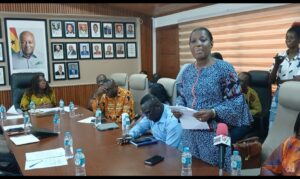
Her remarks highlighted the role of sustained media advocacy in keeping hand hygiene on the public agenda and encouraging communities to adopt safer practices.
Global Handwashing Day is observed annually on October 15 to raise awareness of the importance of handwashing with soap as an effective and affordable means of preventing diseases and saving lives.
This year’s campaign reinforces the message that individual responsibility must be supported by reliable infrastructure, adequate supplies and effective public monitoring.
For Ghana, stakeholders say the challenge is to translate the annual commemoration into lasting improvements by ensuring that handwashing facilities are available, functional and adequately supplied with water and soap.
The central message is clear: promoting handwashing must go beyond public campaigns to become a sustained public health commitment backed by funding, infrastructure and accountability.