

IMO Closes Loophole On Ocean Climate Fixes, Issues Tough Rules For Startups Dumping Chemicals At Sea

|
Getting your Trinity Audio player ready...
|
By: Edward Graham Sebbie
The International Maritime Organization (IMO) has adopted new assessment frameworks to regulate ocean-based carbon dioxide removal activities, introducing stricter requirements for companies and researchers seeking to use the ocean to combat climate change.
The decision was taken on October 9, 2026, at the IMO headquarters in London by parties to the London Convention and the London Protocol, two international treaties governing the dumping of waste and other matter at sea.
The new frameworks seek to establish clearer environmental safeguards for emerging technologies that involve introducing nutrients, chemicals and organic materials into the ocean to capture or store carbon dioxide, amid growing concerns about the potential risks to marine ecosystems.
The development comes as companies and research organisations increasingly explore ocean-based carbon removal as a potential climate change mitigation strategy, with some commercial ventures seeking to generate revenue through the sale of carbon credits linked to projected carbon removal.
However, concerns have persisted over the environmental safety, scientific credibility and monitoring of such projects, particularly where commercial activities could proceed without adequate assessment of their long-term effects on marine life.
The IMO’s assessment frameworks focus on three approaches: ocean fertilisation, ocean alkalinity enhancement and the deliberate sinking of biomass into the deep sea.
Ocean fertilisation involves introducing iron or other nutrients into seawater to stimulate phytoplankton growth. These microscopic organisms absorb carbon dioxide through photosynthesis, although the extent to which the captured carbon remains stored over the long term depends on several environmental factors.
Ocean alkalinity enhancement involves adding alkaline materials, such as limestone-derived substances or olivine, to seawater to increase its capacity to absorb carbon dioxide. The method is also being investigated for its potential to help counter ocean acidification.
The third approach involves deliberately sinking organic materials, including seaweed and agricultural waste, into deep ocean waters in an attempt to store carbon for extended periods.
While these techniques are being explored as possible contributions to climate mitigation, their environmental implications remain a subject of scientific investigation, particularly regarding their effects on marine biodiversity, fisheries, ocean chemistry and deep-sea ecosystems.
Under the new frameworks, countries seeking to authorise such activities in waters under their jurisdiction are expected to establish that proposed projects constitute legitimate scientific research rather than commercial deployment presented as experimentation.
The assessment process also requires comprehensive environmental impact assessments and risk management measures to demonstrate that proposed activities would not cause unacceptable harm to marine organisms, fisheries, navigation or other legitimate uses of the sea.
Independent scientific review and stakeholder consultation are also central to the process, alongside reporting requirements intended to improve transparency and allow the international community to assess the findings of proposed research.
The frameworks are expected to provide a more structured basis for evaluating ocean-based carbon removal projects and distinguishing scientifically justified research from activities that could expose the marine environment to unacceptable risks.
The decision follows years of international discussions on the regulation of ocean-based interventions. Parties to the London Protocol have been addressing ocean fertilisation since 2008, when concerns about the environmental consequences of such activities prompted international action to restrict their deployment.
The latest development comes at a time when interest in ocean-based carbon dioxide removal is growing, with developers exploring the potential for commercial carbon credits generated through marine interventions.
For companies operating in the sector, environmental assessments, scientific validation and transparent monitoring could become increasingly important in establishing the credibility of their projects and the carbon credits they seek to sell.
The decision also carries implications for coastal countries such as Ghana, where marine ecosystems support fishing communities, food security and livelihoods.
Ghana’s artisanal fisheries sector is particularly dependent on healthy marine ecosystems, making the protection of fish habitats, spawning grounds and water quality an important consideration in proposals involving the introduction of substances into the sea or the deliberate sinking of organic materials.
Poorly assessed ocean interventions could potentially alter water chemistry, disrupt marine food chains or affect fish populations, although the nature and extent of such risks would depend on the specific method, location and scale of an activity.
For Ghana, the emerging regulatory framework could strengthen the basis for scrutinising proposals involving ocean-based carbon removal and ensuring that environmental protection, scientific evidence and the interests of fishing communities are considered in decisions concerning marine research and commercial operations.
Environmental advocates have cautiously welcomed efforts to strengthen oversight of the sector, arguing that clearer assessment standards could improve transparency. However, they have stressed that effective implementation, monitoring and enforcement will be essential to ensuring that the intended safeguards translate into practical protection for the marine environment.
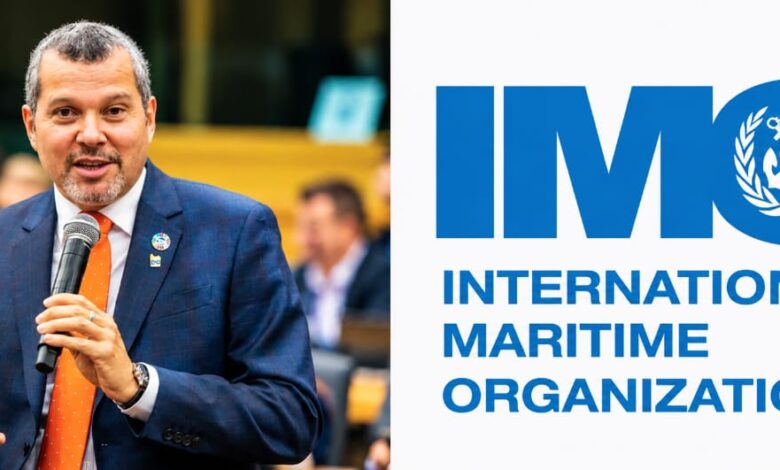
IMO Secretary-General Arsenio Dominguez said the frameworks provide rigorous and transparent tools for assessing proposed activities and protecting the marine environment while enabling legitimate scientific research.
The decision represents a further step in international efforts to regulate emerging climate technologies and ensure that attempts to remove carbon dioxide from the atmosphere do not create additional environmental problems in the ocean.
However, the effectiveness of the new measures will depend on how participating countries implement the assessment requirements, scrutinise proposed projects and enforce applicable international obligations.