
Africa’s $4bn Waste-to-Energy Investment Under Scrutiny as Report Warns of Long-Term Risks

|
Getting your Trinity Audio player ready...
|
By: Samuel Asamoah
Africa’s growing investment in waste-to-energy incineration is facing fresh scrutiny, with a new report warning that billions of dollars committed to burning waste to generate electricity could be better spent on more sustainable waste management solutions.
The report, released on October 15, 2026, by the Global Alliance for Incinerator Alternatives (GAIA), identifies 15 waste-to-energy projects and proposals across 10 African countries, raising concerns about their environmental impact, financial costs and long-term effectiveness.
The projects include an operational plant in Ethiopia, alongside several proposals, feasibility studies and signed agreements across the continent.
According to GAIA, the projects represent more than US$4 billion in cumulative capital expenditure — money the organisation believes could have been invested in locally appropriate approaches to reducing waste, recovering valuable materials and protecting the environment.
The findings raise an important question for African governments struggling with mounting waste: Is burning rubbish to produce electricity the right solution, or could other approaches deliver better long-term results?
Why burning waste may not be the answer
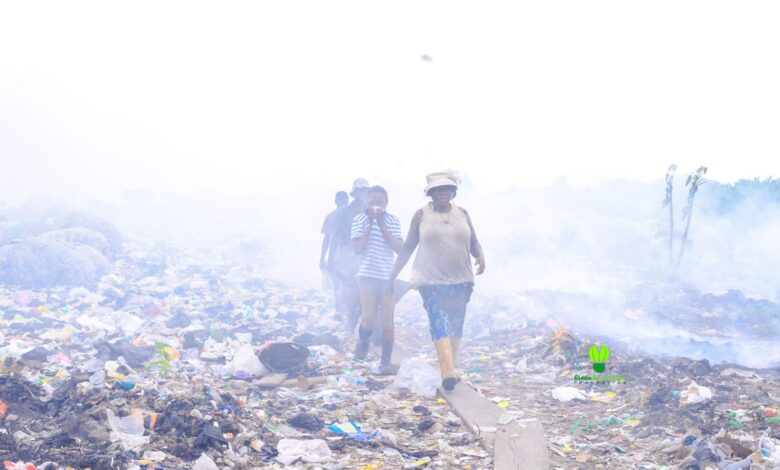
For many African communities, waste management remains a major challenge. Growing urban populations and rising consumption have increased the pressure on local authorities to collect, process and dispose of rubbish.
Waste-to-energy incineration is often presented as a way to tackle two problems at once: reducing the volume of waste while generating electricity.
However, GAIA argues that the technology may not be well suited to the composition of municipal waste found in many African countries.
The report notes that much of the continent’s municipal waste consists of organic materials with high moisture content and relatively low calorific value. These characteristics make such waste more suitable for composting than for incineration.
The concern is that investing heavily in facilities designed to burn waste could commit governments to an expensive system that does not adequately address the nature of the waste they generate.
Weyinmi Okotie, Africa Clean Air Manager at GAIA, is urging governments to look beyond technologies presented as quick fixes and focus instead on waste management systems that can deliver lasting benefits.
“African governments need to focus on long-term trusted zero waste systems in managing their waste crisis, not ‘silver bullet’ technologies that end up creating generational environmental and economic problems,” Okotie said.
The financial and environmental questions
The report also raises concerns about the cost of incineration, particularly for low- and middle-income countries where public resources are often stretched across competing development priorities.
GAIA cites warnings from the United Nations Environment Programme that incineration can be a more expensive option for waste management and energy generation in these countries.
For governments considering major investments in waste-to-energy infrastructure, the financial implications extend beyond the initial construction costs. The wider question is whether the chosen system offers an effective and sustainable way to manage waste over the long term.
GAIA argues that the more than US$4 billion associated with the projects it tracked could instead support alternatives that recover useful materials, reduce the amount of waste requiring disposal and create more sustainable waste management systems.
The organisation’s position is that waste management should not be measured solely by how much rubbish can be removed from streets or converted into electricity, but also by how effectively resources are recovered and pollution is prevented.
What alternatives does the report propose?
Rather than relying heavily on incineration, GAIA recommends that African governments strengthen systems that prevent waste from becoming an environmental burden in the first place.
One recommendation is investment in material recovery facilities, where recyclable and reusable materials can be sorted and recovered instead of being discarded.
The report also advocates source separation, which involves sorting waste at the point where it is generated. Separating organic waste from plastics, metals and other recyclable materials can make it easier to process each category appropriately.
Another proposed measure is stronger extended producer responsibility, which places greater responsibility on manufacturers for managing the waste associated with their products.
Together, these measures could help governments reduce the volume of waste requiring final disposal while recovering materials that would otherwise be lost.
GAIA believes these approaches offer a more sustainable direction for countries seeking to address waste management challenges without creating additional environmental and financial pressures.
A decision with long-term consequences
The debate over waste-to-energy investment highlights a broader challenge facing African governments: how to respond to growing waste volumes while balancing energy needs, environmental protection and limited public resources.
For GAIA, the answer lies in developing zero-waste systems that conserve resources, reduce pollution and respect the rights of affected communities.
The organisation, a global network of grassroots groups, non-governmental organisations and individuals in more than 100 countries, advocates a shift away from waste disposal methods that depend heavily on burning or dumping materials.
However, the press release accompanying the report does not identify all 10 countries involved, provide a detailed breakdown of the individual projects or specify how much each project is expected to cost.
Those details will be important in assessing the implications of the findings for individual countries and determining whether the concerns apply equally to every project.
For African governments weighing their waste management options, the central issue is not simply how to dispose of rubbish today, but how to build systems that remain affordable, effective and environmentally responsible for generations to come.