
CONIWAS Calls for Urgent Reforms in Ghana’s WASH Sector, Cites Rural Water and Sanitation Gaps

|
Getting your Trinity Audio player ready...
|
By Samuel Asamoah
The Coalition of NGOs in Water and Sanitation (CONIWAS) has called for urgent policy, regulatory and financing reforms in Ghana’s water, sanitation and hygiene (WASH) sector to address persistent service delivery gaps, particularly in rural and underserved communities.
The coalition said only about 17 per cent of Ghana’s rural population had access to safely managed drinking water, while national basic sanitation coverage stood at approximately 32 per cent, with 17.7 per cent of the population still practising open defecation.
It warned that climate-related threats, including floods, droughts, coastal erosion and saline intrusion, coupled with pollution of water bodies through irresponsible mining, were undermining progress towards universal access to safe water and sanitation.
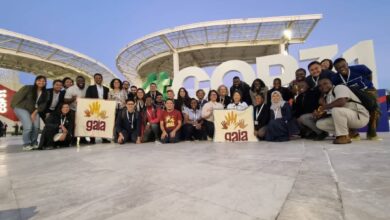
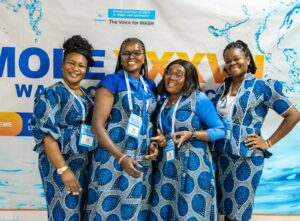
The concerns were contained in a communiqué issued at the end of the 37th annual MOLE WASH Conference, organised by CONIWAS and partners at Aqua Safari Resort in Ada, Greater Accra Region, from November 1 to 6, 2026.
The conference, held on the theme, “Accelerating Climate-Resilient WASH Service Delivery for Last-Mile Communities: Options, Strategies and Actions,” brought together 168 participants from government institutions, development partners, civil society organisations, academia, traditional authorities, the private sector and the media.
In its resolutions, the conference called on the Ministries of Works, Housing and Water Resources and Local Government, Chieftaincy and Religious Affairs to reactivate the Water and Sanitation Sector Working Group (WSSWG), the country’s highest coordination platform for the WASH sector.
It urged the two ministries to reconvene the group within the first half of 2027 and ensure regular meetings with published outcomes to strengthen coordination, accountability and political commitment to the sector.
On financing, the conference commended government for allocating at least 20 per cent of the District Assemblies Common Fund (DACF) to WASH activities, comprising 10 per cent each for water and sanitation.
It also acknowledged the commitment of US$1.7 billion annually under the Ghana WASH Sector Development Programme but stressed the need for timely and predictable release of the funds.
The communiqué urged Metropolitan, Municipal and District Assemblies (MMDAs) to fully utilise their WASH allocations, prioritise underserved communities and publish annual reports on allocations, releases and expenditure.
It further recommended that assemblies dedicate at least five per cent of their Internally Generated Funds to water and sanitation interventions.
The conference also called for the expansion of Ghana Water Limited’s Social Connection Fund to enable more low-income households in urban and peri-urban communities to access safe piped water.
It proposed that the fund operate under a transparent framework with clear eligibility criteria to ensure that assistance reached households genuinely unable to afford connection charges.
On rural water supply, participants expressed concern that only 17.2 per cent of the rural population had access to safely managed drinking water.
They therefore urged government to adopt a comprehensive rural water investment strategy that would combine grants, concessional financing and private-sector investment while protecting the affordability of services for poor households.
The communiqué also called for stronger regulation of water and sanitation service delivery, including the enactment of an Environmental Sanitation Bill to establish a regulatory entity to oversee activities across the sector.
It further urged government to accelerate work on the proposed Water Services Act, particularly in response to ongoing rural water sector reforms and the increasing activities of small-scale water enterprises.
On climate resilience, the conference called on the relevant ministries and the Environmental Protection Authority to ensure that WASH adaptation measures under Ghana’s National Adaptation Plan and Nationally Determined Contributions 3.0 were incorporated into district development plans and annual budgets.
It also recommended climate-risk screening in the design, rehabilitation and management of water and sanitation facilities, alongside the development of bankable projects capable of attracting climate finance.
The conference identified poor sanitation facilities in public spaces, including markets, lorry parks and religious centres, as another major concern.
It noted that only 16 per cent of healthcare facilities in Ghana had basic sanitation services and called on district assemblies, the Ghana Health Service and the Ghana Education Service to strengthen maintenance arrangements and provide dedicated recurrent budgets for WASH facilities.
The coalition further urged authorities to ensure that new and rehabilitated facilities were climate-resilient and accessible to women, girls and persons with disabilities.
On water security, the conference expressed concern over the continued degradation of major rivers and freshwater bodies through illegal mining, deforestation and sand winning.
It called for sustained enforcement against illegal mining in and around water bodies and forest reserves, as well as the expansion of watershed investment programmes beyond the White Volta and Black Volta basins.
To strengthen accountability, CONIWAS committed to working with relevant stakeholders to monitor implementation of the communiqué through a results and accountability matrix identifying responsible institutions, expected actions and timelines.
The coalition is expected to publish a six-month progress brief by May 2027 ahead of the 38th MOLE WASH Conference.
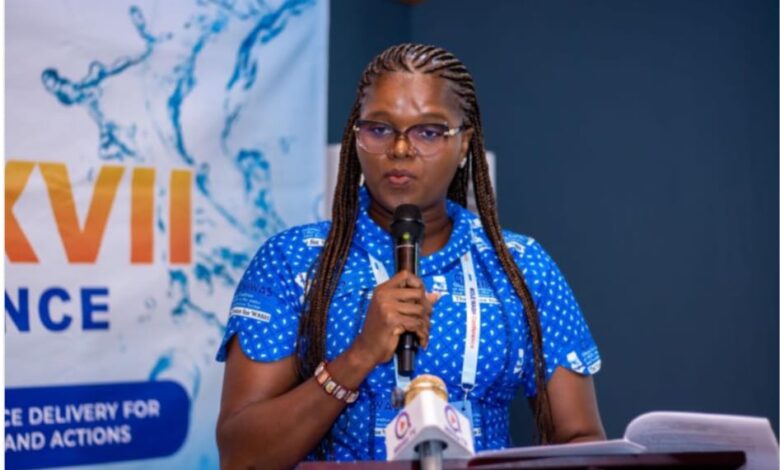
The communiqué, issued on November 5, 2026, was signed by the Chairperson of CONIWAS, Dr Beata Awinpoka Akanyani.