
|
Getting your Trinity Audio player ready...
|
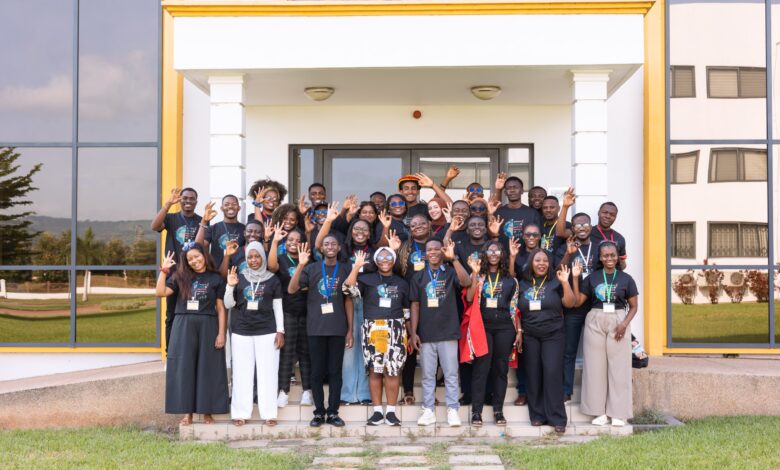
The Global Alliance for Incinerator Alternatives (GAIA Africa) and the Green Africa Youth Organization (GAYO) have launched the in-person phase of the Africa Zero Waste Academy 2026 in Kpong, Eastern Region, aimed at building the capacity of young climate and waste management practitioners to advance zero waste solutions across the continent.
The Academy, now in its second year, follows a five-week virtual training programme and brings together selected participants from across Africa to strengthen their practical knowledge in designing localized waste management systems that reduce greenhouse gas emissions, create green jobs, and improve public health. More than 700 climate and waste practitioners applied for the programme, with participants selected to ensure gender balance and broad geographical representation.
Organisers say the initiative comes at a time when the world generates more than 2.1 billion tonnes of municipal solid waste annually, making localized interventions such as waste separation at source and organic waste management critical to addressing climate change, biodiversity loss and environmental degradation.
The programme also builds on Ghana’s growing recognition in the global zero waste movement following Accra’s designation by the United Nations in March this year as one of 20 Cities Towards Zero Waste. According to the organisers, GAYO’s Zero Waste Accra Project contributed significantly to the recognition by reducing the amount of organic, plastic and electronic waste sent to landfills, thereby lowering methane emissions.
GAIA Africa’s Zero Waste and Climate Programme Associate, Ama Asiedu, described the initiative as a transformative approach that goes beyond waste collection to promote climate resilience, healthier communities and sustainable employment opportunities. She stressed that the Academy seeks to equip participants with the knowledge needed to influence policies and drive sustainable waste management practices in their respective countries.
The organisers further noted that the Academy adopts a justice-centred approach by promoting human rights, protecting the livelihoods of waste pickers and workers, and encouraging waste management systems that prevent environmental harm from the outset.
During the week-long in-person training in Ghana, participants will attend expert-led sessions and undertake field visits to Zero Waste projects in Accra to gain practical experience in implementing circular economy solutions.