

COP31; Experts Urge Governments to Reject Waste Incineration, Invest in Zero-Waste Solutions
Climate advocates warn that waste-to-energy projects could undermine emissions reduction efforts, calling for greater investment in waste prevention, recycling, reuse and composting.

|
Getting your Trinity Audio player ready...
|
Experts Urge Governments to
By: Samuel Asamoah
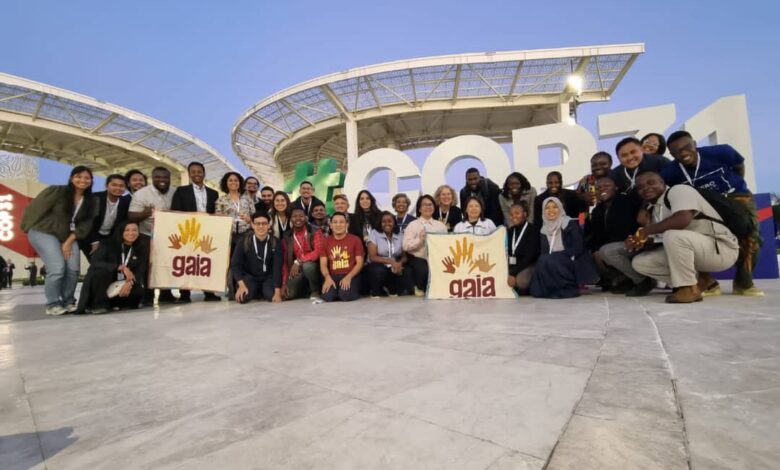
Climate advocates, researchers, youth leaders and local government representatives have called on governments and climate financiers to reject waste incineration and prioritise sustainable zero-waste solutions as world leaders gather for the 31st United Nations Climate Change Conference (COP31).
The experts say addressing the growing climate impact of waste requires a shift from disposal-focused approaches towards waste prevention, reuse, repair, product redesign and composting.
Their call was made at a press conference held under the theme “Zero Waste COP – Incinerators Out, Zero Waste In”, where participants raised concerns about the increasing promotion of waste-to-energy incineration as a climate solution.
Climate Programme Director at the Global Alliance for Incinerator Alternatives (GAIA), Mariel Vilella, argued that expanding infrastructure for burning and disposing of waste would not address the underlying causes of the global waste crisis.
She maintained that preventing waste generation, expanding reuse systems and composting organic materials offered practical opportunities to reduce greenhouse gas emissions while delivering environmental and social benefits to communities.
Ms Vilella stressed that effective climate action must address waste at its source rather than concentrate investment on managing discarded materials.
The discussions also highlighted the contribution of plastic production to climate change, with advocates warning that emissions associated with plastics extend beyond their disposal to the entire production and consumption chain.
Coordinator of the Climate Action Network Arab World (CANAW), Mohamed Kamal, called for a reduction in plastic production and a wider adoption of reuse systems as essential components of credible climate policies.
He argued that efforts to address climate change would remain inadequate if global plastic production continued to expand without corresponding measures to reduce consumption and dependence on single-use plastics.
Concerns were also raised about the financial, environmental and public health implications of waste-to-energy incineration projects across Africa.
A new report by GAIA Africa examining 15 incineration projects and proposals across 10 African countries has raised questions about their economic viability and potential long-term consequences.
Executive Director of the Green Knowledge Foundation, Weyinmi Okotie, cautioned that incineration could commit municipalities to expensive infrastructure, expose communities to harmful pollution and divert financial resources from more inclusive zero-waste alternatives.
She called for waste management policies that reflect Africa’s prevailing waste generation patterns and local economic realities rather than rely on costly technologies that could create additional environmental and financial challenges.
The experts further identified unequal access to climate financing as a major obstacle to expanding sustainable waste management systems, particularly at the community and municipal levels.
Zero Waste Director of the Green Africa Youth Organisation, Jacob Johnson Attakpah, urged governments and international climate financiers to redirect investments towards communities and local authorities already implementing practical zero-waste initiatives.
He said improving access to climate finance would enable cities and community organisations to scale up waste prevention and other sustainable interventions.
Meanwhile, Shahriar Hossain, representing the Government of Bangladesh, underscored the importance of local governments in tackling the interconnected waste and climate crises.
He noted that although cities were at the forefront of the challenges, they also offered significant opportunities for implementing practical zero-waste solutions.
Mr Hossain called for stronger political commitment, sustained public investment and supportive policies to enable local authorities to establish and expand effective zero-waste systems.
The COP31 discussions add to growing calls for climate policies to address the entire lifecycle of waste, particularly plastics, rather than focus predominantly on disposal technologies.
The advocates are urging governments and climate financing institutions to make waste prevention, reuse, repair, recycling and composting central to climate strategies, arguing that these approaches can reduce emissions while supporting healthier and more sustainable communities.