

|
Getting your Trinity Audio player ready...
|
By: Edward Graham Sebbie
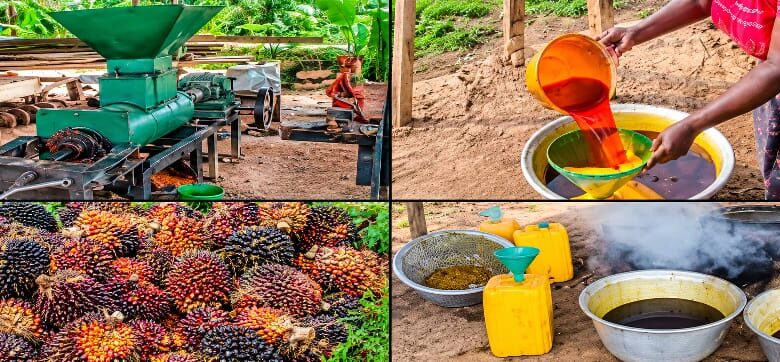
Palm oil producers at Akyem Oda Akrofonso in the Birim Central Municipality of the Eastern Region are crying for customers as hundreds of gallons of palm oil remain unsold, threatening their livelihoods.
The producers, mostly women, say palm oil production is the economic backbone of the community, but a sharp decline in patronage has left them with large stocks locked in storage tanks and drums with no buyers in sight.
According to them, the situation has become dire, as they are unable to meet basic family obligations, including paying their children’s school fees, feeding their families and servicing loans contracted for production.
Speaking to this reporter, the producers appealed to traders, market women, individuals, and potential investors across the country to come to their aid by patronizing their products.
“We are pleading with Ghanaians to come and buy our oil. Production is our only source of income. Now our oil is sitting in tanks because there are no customers. We cannot pay our children’s school fees,” one producer lamented.
They stressed that their palm oil is of premium quality, naturally processed without harmful chemicals or adulterants, and meets the taste and nutritional needs of households and commercial users.
The producers believe increased patronage will not only improve their living conditions but also boost economic activities in Oda Akrofonso and create more jobs for the youth in the area.
They are also calling on government, through the Ghana Enterprises Agency and the Ministry of Food and Agriculture, as well as private investors, to support them with access to larger markets, storage facilities and processing equipment to add value to their produce and prevent future gluts.
The Akyem Oda Akrofonso palm oil industry has for years supplied markets in Accra, Kumasi and other parts of the country, but producers say sales have dwindled in recent months, worsening their plight as the peak production season approaches.