

Fuel Crisis Looms as Petroleum Tanker Drivers Declare Nationwide Strike Over ‘Death Trap’ Roads


|
Getting your Trinity Audio player ready...
|
The supply of petroleum products across Ghana faces imminent disruption as members of the Ghana National Petroleum Tanker Drivers Union have parked their trucks in the declaration of a nationwide sit-down strike over deteriorating roads, hazardous working conditions and poor pay.
The drivers say they will not return to work until government shows concrete commitment to fixing what they describe as life-threatening conditions on key fuel transportation routes.
The industrial action took effect today, Tuesday, September 2, following the expiration of a two-week ultimatum the union had given government to address its concerns.
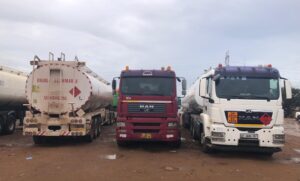
Speaking to drivers at the Tema tanker yard where scores of tankers were grounded, the National Chairman of the Union, George Nyaunu, said the decision was unavoidable.
“We have been pushed to the limit. We cannot continue to risk our lives every day on roads that are killing us,” he declared.
At the top of the union’s grievances is the deteriorating Birimso Bridge section of the Accra-Kumasi highway. According to Mr. Nyaunu, that single stretch has claimed the lives of three tanker drivers in the last year alone due to its defective state.
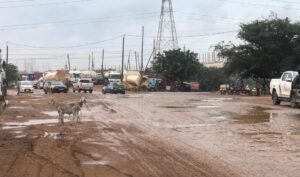
He also cited the deplorable condition of roads leading to key petroleum loading depots in the Tema industrial enclave, describing them as death traps not just for tanker drivers but for all road users.
“These are roads we use daily to load fuel for the entire country. Their current state is unacceptable and dangerous,” he stressed.
Some drivers who joined the protest recounted harrowing experiences, including frequent breakdowns, accidents caused by potholes, and long hours working without adequate safety measures.
The strike is not only about infrastructure. The drivers are also demanding an immediate upward review of their salaries and conditions of service.
They argue that their current remuneration does not reflect the high level of risk involved in transporting highly inflammable products, nor does it match the current economic realities in the country.
The union insists the strike will be sustained indefinitely until government engages them with a clear, time-bound plan to rehabilitate the critical roads and review their pay.
Government is yet to officially respond to the strike action. However, industry watchers warn that if the standoff continues beyond 48 hours, fuel stations across the country could begin to experience shortages.
Industry players forsee disruption of the transportation chain if government does not quickly intervene, especially in the face of the upsurge in fuel prices stemming from happenings at the Strait of Hormuz.
VoiceAfrica will keep vehicle owners, commuters and the general public at large posted regarding latest developments on the issue.