
|
Getting your Trinity Audio player ready...
|
By: Samuel Asamoah
Ghana-based NGO Meaningful Life International (MLI) has called for urgent and coordinated action to address rural water inequality, particularly its disproportionate impact on women and girls, as the country joins the global community to observe World Water Day 2026.
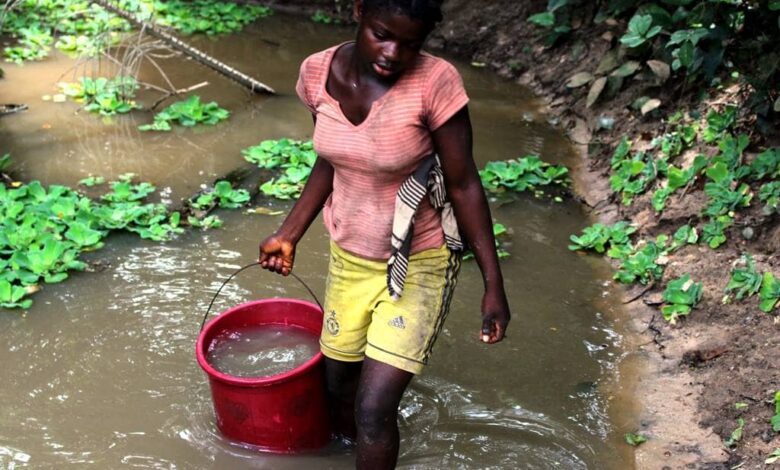
The appeal comes under this year’s theme, “Water and Gender,” with the campaign slogan “Where Water Flows, Equality Grows.” According to MLI, access to safe water remains a major challenge in many rural communities, where women and girls spend hours daily fetching water, often from unsafe and polluted sources.
In a statement, the Executive Director of MLI, Dr. Kofi Ahlijah, stressed that water access goes beyond health concerns and is deeply linked to dignity and gender equality. He noted that improved access to clean water has a direct impact on education, livelihoods, and overall community well-being.
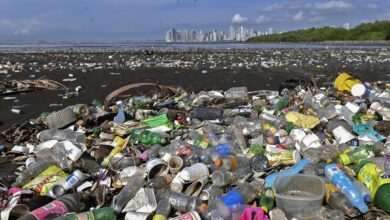
In many underserved areas, the burden of water collection continues to limit opportunities for girls’ education and women’s economic participation. The situation is further compounded by environmental degradation, including water pollution linked to illegal mining activities.
MLI, which has operated in Ghana since 2006, highlighted its track record in addressing water challenges in rural communities. The organisation has drilled more than 80 boreholes across 92 communities, improving access to potable water for thousands of households while reducing exposure to waterborne diseases.
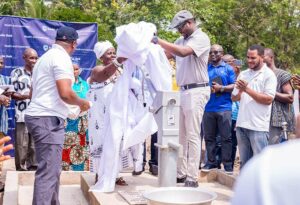
Beyond infrastructure development, MLI has also focused on sustainability through the establishment of community-led water management committees. These structures are designed to ensure local ownership, accountability, and long-term maintenance of water facilities.
Despite these interventions, the organisation warned that disparities in water access between urban and rural areas remain significant, with rural populations continuing to lag behind.
As part of its renewed efforts, MLI announced a 100-borehole initiative aimed at expanding access to clean water while promoting gender equality and community empowerment. The organisation is seeking partnerships with corporate institutions, development partners, faith-based organisations, and media stakeholders to support the initiative.
Dr. Ahlijah emphasised that achieving Sustainable Development Goal 6 on clean water and sanitation requires a deliberate focus on gender equity, noting that investments in water infrastructure directly translate into gains in health, education, and national development.
MLI maintains that with collective action and sustained investment, universal access to safe drinking water in Ghana is an achievable goal.