

|
Getting your Trinity Audio player ready...
|
By: Samuel Asamoah and Edward Graham
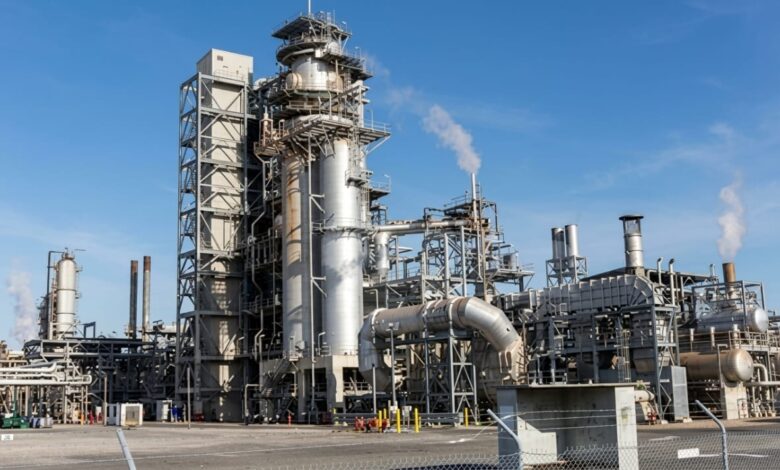
Tema Oil Refinery (TOR) has staged a dramatic financial turnaround, moving from a loss of GH¢745.27 million in 2024 to a profit of GH¢1.093 billion in 2025, according to the State Interests and Governance Authority’s (SIGA) 2025 State Ownership Report.
The performance represents a turnaround of about GH¢1.84 billion within a year and marks TOR’s first profit in almost a decade, placing the state-owned refinery among the major individual State-Owned Enterprises (SOEs) that moved from negative to positive financial results during the period.
SIGA identifies TOR’s performance as one of the prominent individual SOE turnarounds recorded in 2025, alongside entities including the Ghana Cocoa Board, Ghana Water Limited, Ghana Amalgamated Trust and the National Food Buffer Stock Company.
According to the report, TOR’s result formed part of a broader recovery across the State ownership portfolio, which returned to profitability after four consecutive years of consolidated losses.
The aggregate SOE portfolio moved from a net loss of GH¢2.259 billion in 2024 to a net profit of GH¢19.80 billion in 2025, representing a bottom-line improvement of approximately GH¢22.06 billion.
The refinery’s turnaround also came against a backdrop of improved performance in the Energy category, which ended a four-year loss cycle, moving from a GH¢4.66 billion net loss in 2024 to a GH¢4.41 billion profit in 2025.
SIGA reports that all petroleum and gas entities in the Energy category recorded profits during the year.
The report, however, cautions against interpreting the dramatic improvement as entirely the result of structural operational gains.
It says part of the improvement, particularly in the Energy and Infrastructure sectors, was influenced by favourable foreign-exchange movements, grants and other non-recurring factors.
SIGA therefore says the durability of the recovery will depend on continued improvements in core operating efficiency, cost discipline, revenue mobilisation, management of foreign-currency exposure, balance-sheet repair and corporate governance.
The broader figures nevertheless point to a significant improvement in the financial health of Ghana’s state-owned enterprises.
Aggregate SOE revenue increased by 28.12 percent, from GH¢137.64 billion in 2024 to GH¢176.43 billion in 2025, while core operating revenue grew by 39.15 percent to GH¢148.51 billion.
At the same time, aggregate finance costs declined by 42.49 percent, from GH¢6.38 billion to GH¢3.67 billion, allowing a greater proportion of operating earnings to reach the bottom line.
For TOR, the figures represent a striking reversal of fortunes—from a refinery recording a substantial deficit to one delivering more than one billion Ghana cedis in profit in a single financial year.
The challenge now is whether the 2025 performance can be sustained.
SIGA says the next test for the State ownership portfolio is to convert the recovery into durable operational strength, stronger cash generation, greater dividend capacity and improved public-service outcomes.
For Tema Oil Refinery, that durability test could determine whether the 2025 billion-cedi profit becomes the beginning of a sustained revival or remains an exceptional year in the refinery’s long financial history.