

|
Getting your Trinity Audio player ready...
|
By Christian Ahodie YAW
The Management and students of Amedzofe Technical Institute in the Ho West District of the Volta Region are grappling with severe infrastructural and logistical challenges that continue to undermine effective teaching and learning at the institution.
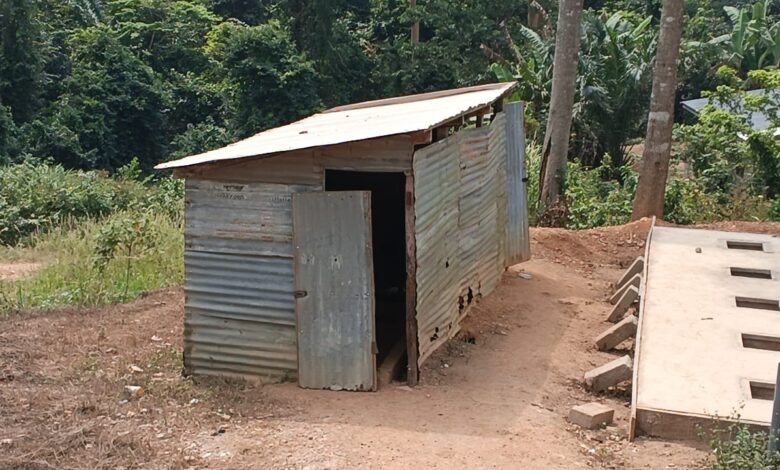
With a student population exceeding 800, the school lacks adequate boarding facilities, forcing many students to sleep on bare floors due to the absence of proper dormitories. The situation is compounded by limited classroom blocks, inadequate workshops, and a critical shortage of teaching and learning materials, placing enormous pressure on both teachers and school management.

Established in 1985 by the Amedzofe community as a day school, Amedzofe Technical Institute was later absorbed by the government in 2011 and upgraded to a boarding institution in 2021. Over the years, the school has evolved into a vital centre for technical, vocational, and health-related education, equipping young people from Amedzofe and surrounding communities with practical skills.
Despite these persistent challenges, the institute remains one of the best-performing technical institutions in the Volta Region, consistently placing first and second among technical schools in regional examinations—an achievement widely attributed to the commitment and resilience of both staff and students.
Another pressing concern is the lack of potable water on campus. Students are compelled to trek long distances into nearby forests to fetch water for daily use, a situation that raises serious health, safety, and sanitation concerns.
These challenges were brought to the fore during the school’s 6th SRC Week Celebration, where the Vice Principal in charge of Academics, Eric Kujo Nukomeko, speaking on behalf of the Principal, Robert Lavison, outlined the numerous difficulties confronting the institution and appealed to government authorities and relevant stakeholders for urgent intervention.
The Assemblyman for the area, Robert Ameh, together with other community leaders, echoed the call, urging the government to provide the necessary infrastructure to improve conditions at the school, which serves as a key hub for technical and vocational education in the Ho West District.
Some students who spoke at the event shared distressing accounts of their living conditions, revealing that they sleep on the floor in overcrowded and poorly ventilated rooms—conditions they say are affecting their health, comfort, and academic performance.
Stakeholders warn that without immediate and sustained support, the worsening infrastructural deficits could erode the school’s hard-won academic gains and threaten its crucial role in skills development and youth empowerment in the district.