
Plastic Pollution Gender Justice-
GAIA/BFFP Africa Highlights Gender Impact of Plastic Pollution on International Women’s Day

|
Getting your Trinity Audio player ready...
|
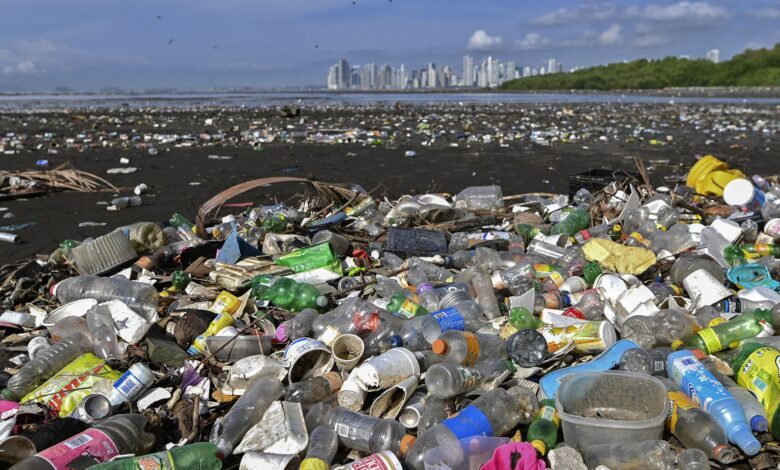
Environmental advocates have warned that plastic pollution is not only an ecological crisis but also a growing public health and gender justice issue, with women and girls disproportionately affected by the toxic impacts of plastics and the burdens of waste management systems.
Environmental organisations GAIA and the Break Free From Plastic (BFFP) Africa network have called for stronger global action to tackle plastic pollution while ensuring gender justice remains central to international policy responses.
The call was made during a high-level webinar held on March 9 to mark this year’s International Women’s Day, where activists and environmental experts discussed the intersection between plastic pollution, public health and women’s rights.
IWD Media Release 2026.docx None
According to the organisations, plastic production continues to rise globally despite mounting evidence of its harmful consequences. Plastics are chemical-based materials that can contain more than 16,000 different chemicals, with at least 4,200 considered highly hazardous.
IWD Media Release 2026.docx None
Recent research cited during the discussion has also revealed the widespread presence of microplastics in the human body, including in the lungs, blood, breast milk and placental tissues, raising concerns about long-term health implications.
IWD Media Release 2026.docx None
Participants stressed that women often experience the effects of plastic pollution more intensely due to health risks, caregiving responsibilities and their significant involvement in informal waste management and recycling activities.
Africa Coordinator of the Global Green Healthy Hospitals programme at groundWork South Africa, Azeeza Rangunwala, described the health effects of plastics on women as a “slow violence,” noting that the impact is often overlooked.
“The health impacts of plastics on women’s bodies are a form of slow violence; it is a slow violence in the development of cancer and the experiences of women not being believed about their symptoms, especially when it comes to sexual and reproductive health,” she said.
IWD Media Release 2026.docx None
Environmental advocate and 2025 Goldman Prize winner, Semia Gharbi, also highlighted the exposure women face through everyday consumer products.
She noted that the average woman uses several personal care products daily, containing numerous chemical ingredients, some of which are associated with cancer and reproductive harm.
Participants at the webinar further emphasized that women are not only victims of the plastic crisis but also key drivers of solutions, particularly at the community level.
Across Africa and other regions, women are leading grassroots initiatives promoting zero-waste practices, including waste collection and sorting systems, reuse models and sustainable resource management.
Boniswa Phelani of the South Africa Waste Pickers Association said women make up a significant portion of the informal waste sector yet remain among the most marginalized.
She explained that many women waste pickers balance family responsibilities with long hours of collecting, sorting and selling recyclable materials to support their households.
IWD Media Release 2026.docx None
Meanwhile, Partnerships Manager at adansonia.green, Tening Cissé, highlighted the environmental footprint of menstrual products, noting that individuals who menstruate may use between 8,000 and 15,000 such products over their lifetime, generating substantial waste.
She called for a shift toward sustainable and reusable alternatives that better reflect local needs, particularly within African communities.
IWD Media Release 2026.docx None
Speakers also urged negotiators working on a proposed global plastics treaty to ensure the agreement incorporates gender-responsive and rights-based approaches.
Dalia Márquez, Co-Coordinator of the United Nations Environment Programme Women’s Major Group, said any treaty that fails to address gender concerns would fall short of delivering effective and just solutions.
Organisers say continued collaboration among governments, civil society and grassroots movements will be essential to ensure that future policies both curb plastic pollution and recognise the leadership role women play in building sustainable, plastic-free communities.